17th Jun 2026
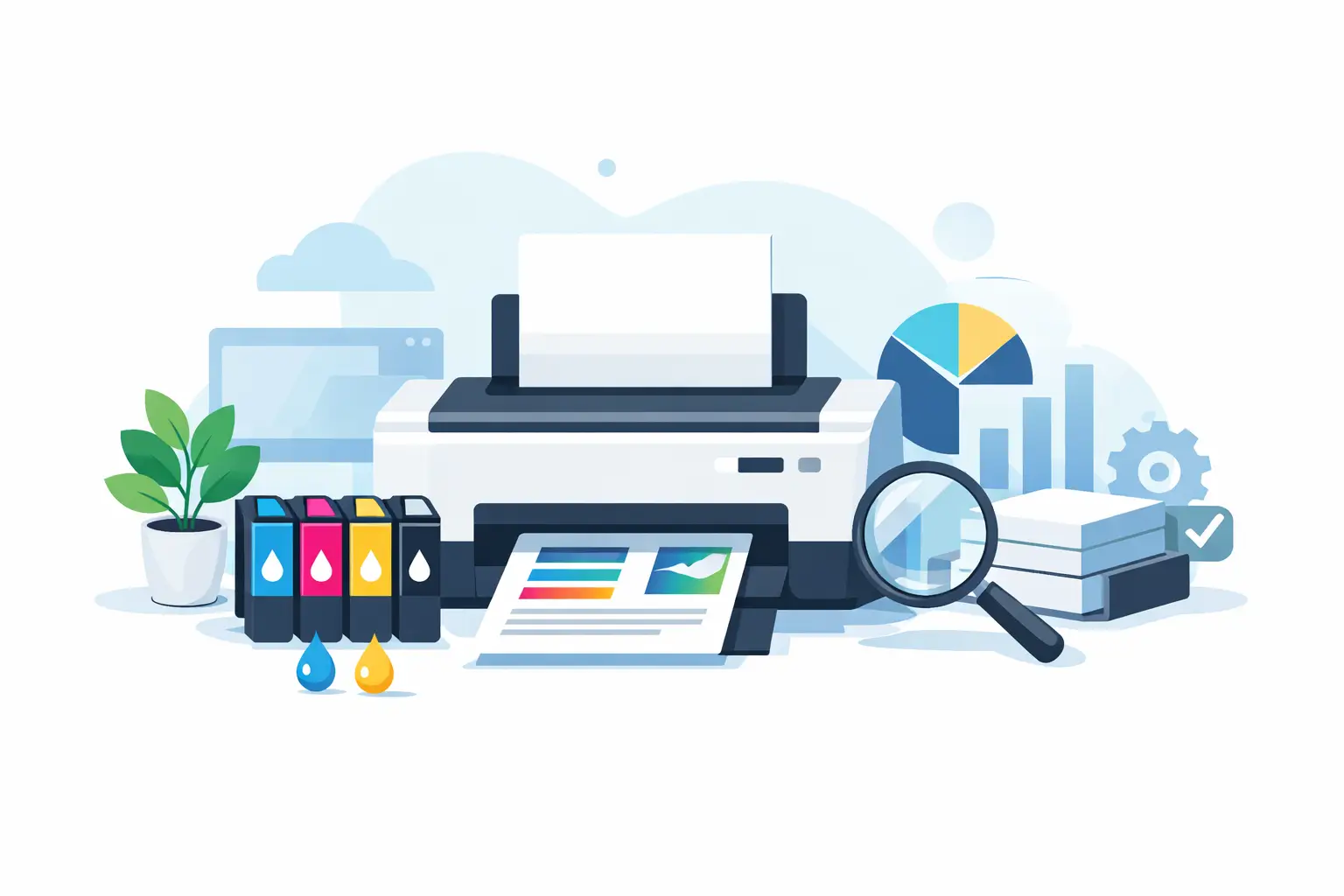
If your office printer runs out of cyan ten minutes before a proposal deadline, cartridge buying stops being a routine task and becomes an operations problem. That is why choosing the right inkjet cartridges for small business use matters more than many teams expect. The right supply setup keeps invoices printing, labels readable, marketing materials presentable, and staff focused on work instead of troubleshooting.
For small businesses, ink is rarely a one-size-fits-all purchase. A front office printing occasional forms has different needs than a real estate team producing color brochures, or a medical practice printing patient documents every day. The best cartridge choice depends on print volume, printer model, image quality requirements, and how much downtime your team can absorb.
What small businesses actually need from inkjet cartridges
Most business buyers are not looking for the cheapest box on the shelf. They are looking for a cartridge that works correctly the first time, delivers predictable output, and can be reordered without confusion. In a business environment, consistency matters as much as price.
That usually means balancing four factors at once. Compatibility comes first because even a well-priced cartridge creates waste if it does not match the exact printer model. Print quality follows closely, especially for customer-facing materials. Yield matters because low-capacity cartridges can turn a lower purchase price into a higher operating cost. Then there is availability. If the cartridge you rely on is frequently out of stock, the savings disappear the moment a printer sits idle.
Businesses that print only occasionally may be more sensitive to ink drying out between jobs. Teams with steady daily use often care more about page yield and replacement frequency. Neither approach is wrong. It depends on how the printer supports the workflow.
OEM vs compatible inkjet cartridges for small business
One of the most common purchasing decisions is whether to buy OEM cartridges or compatible alternatives. For many businesses, the answer is not ideological. It is practical.
OEM cartridges are produced by the printer manufacturer and are typically chosen when print quality, warranty alignment, and exact performance consistency are the top priorities. They are often the preferred option for businesses printing presentation materials, color graphics, or documents where brand appearance matters. They can also simplify procurement because there is less concern about variation between suppliers.
Compatible cartridges can make good commercial sense when cost control is a priority and the product is sourced from a dependable supplier with strong compatibility discipline. Many businesses use compatibles successfully for internal documents, routine forms, and general office printing. The trade-off is that product quality can vary more between sources, so supplier reliability matters a great deal.
A practical approach is to match the cartridge type to the job. Some offices standardize on OEM for customer-facing output and use compatible cartridges for everyday internal printing. Others use one or the other across all devices to keep ordering simple. The right choice depends on your printer fleet, your tolerance for variation, and how visible print quality is to customers.
How to choose the right cartridge without wasting time
The fastest way to make cartridge buying expensive is to guess. Cartridge names are similar, printer families can use different supplies, and regional packaging can add confusion. A disciplined purchasing process avoids returns, delays, and duplicate orders.
Start with the exact printer model, not just the brand. An HP OfficeJet, Brother MFC, or Epson WorkForce series may include several closely related models that use different cartridge numbers. Then verify whether your device uses standard-yield or high-yield cartridges. High-yield options usually cost more upfront but often reduce cost per page and cut down on replacement frequency.
After that, look at your actual print pattern. If your office prints a few pages a week, very high-yield cartridges may not always be the best value if ink sits too long. If you print daily, higher-yield cartridges are often the more efficient choice because they reduce interruptions and purchasing frequency.
It also helps to think beyond a single printer. Many small businesses manage multiple devices across reception, accounting, shipping, and management offices. Standardizing printers or at least consolidating cartridge types can make reordering much easier. Fewer SKUs mean fewer ordering mistakes and less backup inventory gathering dust in a supply cabinet.
Cost per page matters more than shelf price
A low unit price can look attractive, but business purchasing decisions are stronger when they focus on operating cost. Cost per page gives a clearer view of what the cartridge will actually cost over time.
For example, a standard cartridge may seem like the cheaper option, but if it needs replacement twice as often as a high-yield version, labor and downtime start to matter too. Staff time spent replacing cartridges, approving rush orders, or driving to find emergency stock has a real cost, even if it does not show up on the original invoice.
This is especially true in customer-facing environments. A retail office, hospitality desk, or professional service firm cannot always pause because the printer is unavailable. If printed invoices, forms, signs, or color documents are part of the daily routine, cartridge reliability and stock planning deserve the same attention as purchase price.
That is why many procurement teams keep a small buffer of frequently used cartridges on hand. The goal is not overstocking. It is avoiding urgent replacement purchases at the worst possible moment.
Print quality and reliability are operational issues
Inkjet output can affect more than appearance. Smudged text, faded colors, poor line definition, or uneven print coverage can create rework and reduce confidence in your documents. For some businesses, that is only a minor annoyance. For others, it affects invoices, presentation materials, product sheets, or forms that need to be clear and professional.
Reliability also extends to installation and printer behavior. Cartridges that are difficult to recognize, produce error messages, or deliver inconsistent results slow down staff and create uncertainty about what to order next time. Over time, those friction points matter.
A dependable supply partner can help reduce those issues by maintaining clear product matching, recognized brand coverage, and a range of OEM and compatible options. Businesses that buy recurring supplies often benefit from working with one source that understands printer compatibility and can support repeat ordering across ink, paper, labels, and related consumables.
When bulk buying makes sense and when it does not
Small businesses often assume bulk purchasing is only for large organizations. In practice, many smaller operations can benefit from volume buying if they have stable print usage and the right storage conditions.
Bulk buying makes the most sense when you use the same cartridges consistently, have multiple printers using the same supply, or want to stabilize purchasing costs across a quarter. It can also reduce the number of emergency orders and help finance teams manage recurring operational spend more predictably.
Still, bulk is not always the right answer. If your business uses several different printer models with low individual usage, stocking too many cartridges can tie up budget in slow-moving inventory. Ink products also need sensible storage. Excess heat, cold, or long shelf times can undermine the value of buying ahead.
For many small businesses, the best approach is controlled stock rather than aggressive stockpiling. Keep enough inventory to avoid downtime, but not so much that supplies become stale or difficult to track.
Why supplier choice matters as much as product choice
A cartridge is only useful if it arrives on time, matches the device, and can be reordered without a support chain full of back-and-forth emails. That is where supplier performance becomes part of the product.
Business buyers usually need more than selection. They need dependable fulfillment, accurate compatibility information, competitive pricing, and a source that can support related operational items in the same order. If you are already buying receipt paper, barcode labels, POS supplies, or office essentials, consolidating purchasing can save time and reduce administrative overhead.
That is one reason many organizations prefer working with established B2B suppliers rather than piecing together orders from multiple retail sources. A focused supplier can help businesses stay consistent across brands like HP, Brother, Epson, Lexmark, and others, while also offering compatible alternatives where they make sense. For recurring buyers, that combination of product breadth and order reliability often matters more than chasing a one-time discount.
Alberta Business Supplies serves that type of buyer by focusing on dependable operational purchasing rather than one-off consumer shopping.
A smarter way to buy inkjet cartridges for small business
The best cartridge strategy is usually simple. Buy for the printer you actually have, the volume you actually print, and the level of quality your documents require. Do not overvalue the lowest upfront price, and do not overlook the cost of downtime, rework, or ordering mistakes.
If your business treats printer supplies as part of daily operations instead of an afterthought, cartridge purchasing gets easier. You place fewer rushed orders, keep the right inventory on hand, and spend less time fixing avoidable problems. For a small business, that kind of consistency is what turns a routine supply category into a reliable part of the workday.